The microbiome, swarming with bacteria, viruses, and fungi, surrounds the human body with genetic material. There is 200 times more genetic material in microbes than in human cells themselves. But what does it really do for humans? Crazy to think that bacteria and viruses that cause diseases are also able to help and protect our bodies. According to the Harvard School of Public Health, microbiota trigger the immune system’s processes, assist in breaking down toxic food compounds, and create specific vitamins and amino acids, including the vitamin B and K. For example, the crucial enzymes needed to synthesize vitamin B12 are only found in bacteria, and not in humans.
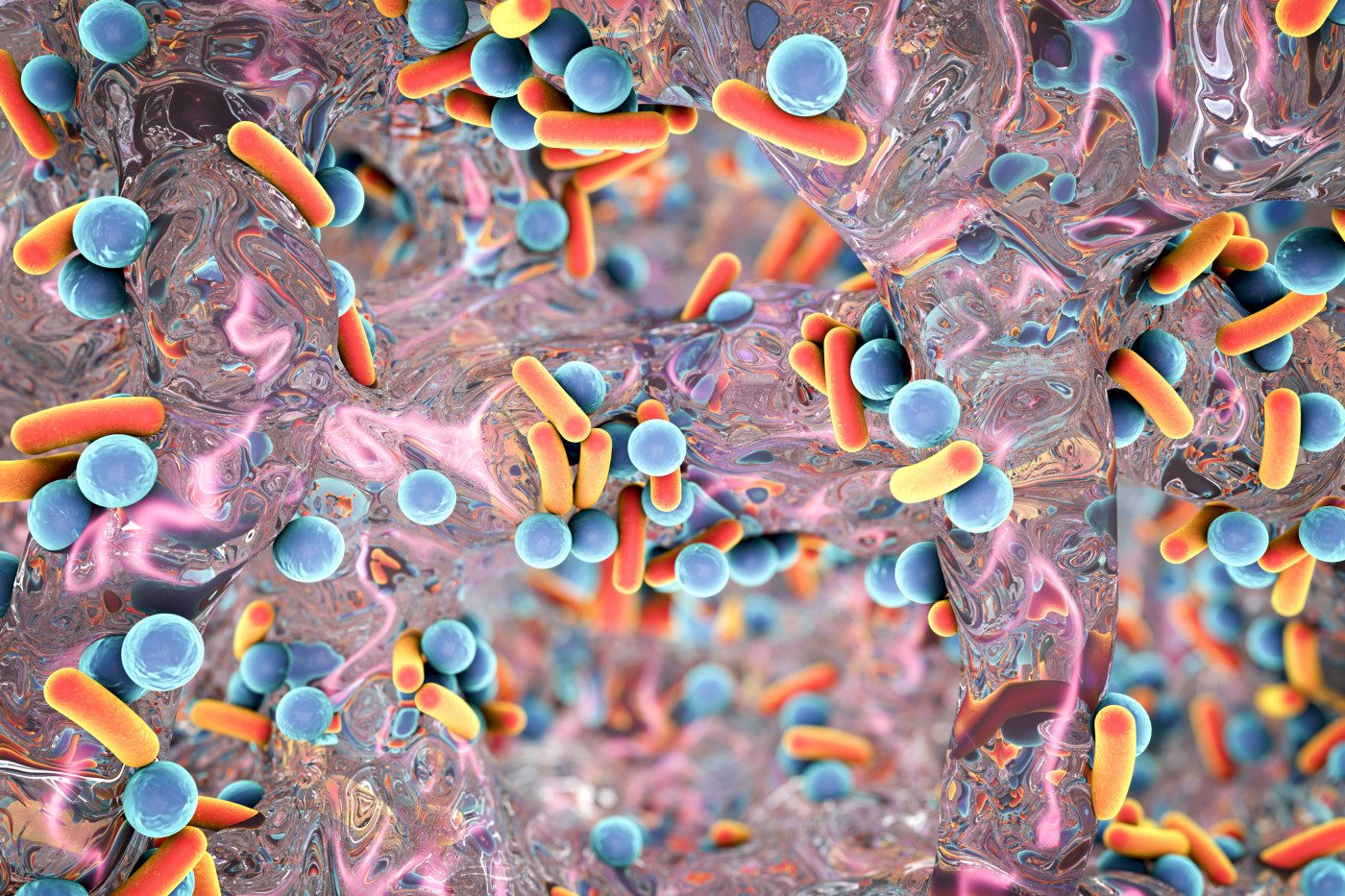
The microbiome on each individual is unique. It is first formed during birth when the microbiome in a mother’s birth canal is spread onto the newborn. Additionally, breastmilk also helps in developing an infant’s microbiome. The GI tract is a bubbling world for microbiota. So many bacteria thrive in the environment of the human gut. The composition of the human microbiome alters during life due to diet, lifestyle, treatment with antibiotics and various drugs, as well as other factors.

A study done by highly collaborative team of researchers led by Scheiman and Church at the Wyss Institute and HMS and Aleksandar Kostic at Joslin Diabetes Center in Boston was published in a Harvard Gazzette article. This study was able to connect the production of a bacteria, called Veillonella, that was produced in gut microbiomes after Olympic and Boston Marathon runners completed their race. This bacteria was found to increase the bodies ability to breakdown lactate which build up after prolonged exercise. The bacteria was inserted into mice and the effects were astounding. The bacteria increased the mices’ performances in the laboratory treadmill tests by 13 percent compared with control group.
This bacteria can be harvested as a probiotic and help to aid in the health of not only athletes, but the general population as well. Who knew bacteria is actually good for you, and can even benefit the human body?

 Lexie's MCRO blog