Blog Feed

Ebola: outbreak in the DR

With all of the news around COVID-19, other diseases and outbreaks have been neglected. There is currently an Ebola outbreak in the Dominican Republic. According to the WHO website, Ebola virus disease is a severe illness that affects humans. The virus is transmitted through wild animals and then it is able to be spread through human populations through direct contact with blood secretions and other bodily fluids. It is also able to be spread through indirect contact with hard surfaces and materials that have been contaminated with these fluids. This disease is highly fatal and its average fatality rate is around 50%.
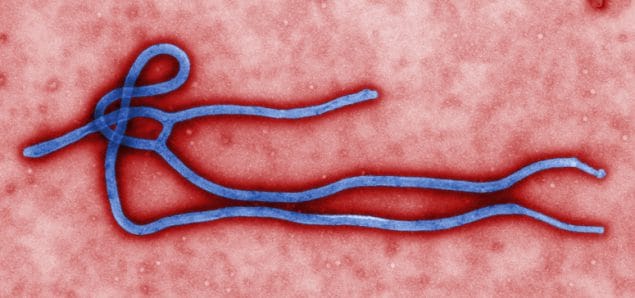
Ebola image

According to the health update by WHO, the Democratic Republic of the Congo is facing the second largest Ebola epidemic on record. The outbreak is located mainly in North Kivu and Ituri provinces. There are hundreds of doctors and nurses from WHO on the grounds supporting the government led responses. This includes:

  • Detection and rapid isolation of cases
  • Rapid public health actions around confirmed cases
  • strengthening community engagement
  • Strengthening health system and coordination of activities between partners
  • Establishing synergism between public health and security, humanitarianism, and financial to enable the environment for the response

According the European Center of Disease Prevention and Control website, he outbreak is ongoing in a densely-populated region which is causing it to continue growing. The regions of the Dominican Republic infected are characterized by insufficient prevention control practices. Cases have been detected among individuals not previously identified as having contact with someone with it. This stresses the need to maintain enhanced surveillance on the chains of transmission. The number of cases have been declining in the last few weeks, with more recent cases restricted to rural, hard-to-reach communities instead of the city areas where the outbreak was previously located Although it is diminishing, this outbreak is of significant gravity and many have died, and awareness needs to be spread.

DRUG: Xolair

Xolair is a drug used to treat asthma that is approved by the FDA. This drug uses a monoclonal antibody which means that it is man-made and is created from B-cells that have been cloned and bind only to one type of antigen. This is important in the testing of drugs to determine if a drug works or not. These specific antibodies are copied and injected into patients to treat specific disease. According to mednet website, in terms of Xolair, the monoclonal antibody used is Omalizumab used to treat asthma.

image of drug xolair

In allergen responses, antibodies attach to the receptors on mast cells and basophils in the blood. They then release chemicals that can cause an allergy response and produce inflammation. Omalizumab blocks the antibody receptors (IgEFcR) on the surface of mast cells and basophils in order to prevent the IgE antibodies from attaching. These cells do not release chemicals and the allergenic response is not initiated. Since, asthma symptoms are often initiated in patients by allergies, Xolair is able to bind to these receptors and prevent the asthma attacks.

Side Effects of the drug:

  • headaches,
  • viral infections,
  • upper respiratory tract infections,
  • injection-site reactions such as
    • pain,
    • redness,
    • swelling,
    • itching and
    • bruising.

Use of Xolair may also lead to serious, life-threatening allergic reactions that include difficulty breathing, fainting, low blood pressure, and swelling of the tongue or throat.

You should not take Xolair if you have cancer as it could cause it to worsen. If you have a parasitic worm infection, it could increase risk of adverse side effects. Because the IgE antibodies are also responsible for Helman destruction if infected. By covering their binding sites with Xolair, you may be unable to fight off any parasitic infections inside your mast cells and basophils that would normally be destroyed by IL4 cytokine.

Also acute asthma symptoms are not improved with Xolair. If you are allergic to latex, you should not use the prefilled syringes as they contain a form of latex. If you are pregnant or breastfeeding, it could be potentially dangerous to you or your child.

This drug is in assistance with acquired immunity as it involves the IgE response to allergens after the primary exposure. The mast cells and basophils that have IgEFcR on their surface are what cause the production of an allergen response when the antibody binds. But this drug is able to prevent that by already binding antibodies to those receptors.

Image of how Xolair binds to IgE binding site to prevent IgE attachment

Still other problems

With all the hype and press around corona virus and its devastating effects on the world, a lot of other diseases are being left out of the news and health reports. Especially the chronic diseases that are causing hospitalization and extreme effects on people who have developed corona. According to the CDC website, 6 in 10 Americans have a chronic disease and 4 in 10 Americans have two or more chronic diseases. These include so many but the most common are: heart disease, cancer, chronic lung disease, diabetes, Alzheimer’s , stroke, and kidney disease. Specifically, this post is going to focus on chronic lung disease and diabetes.

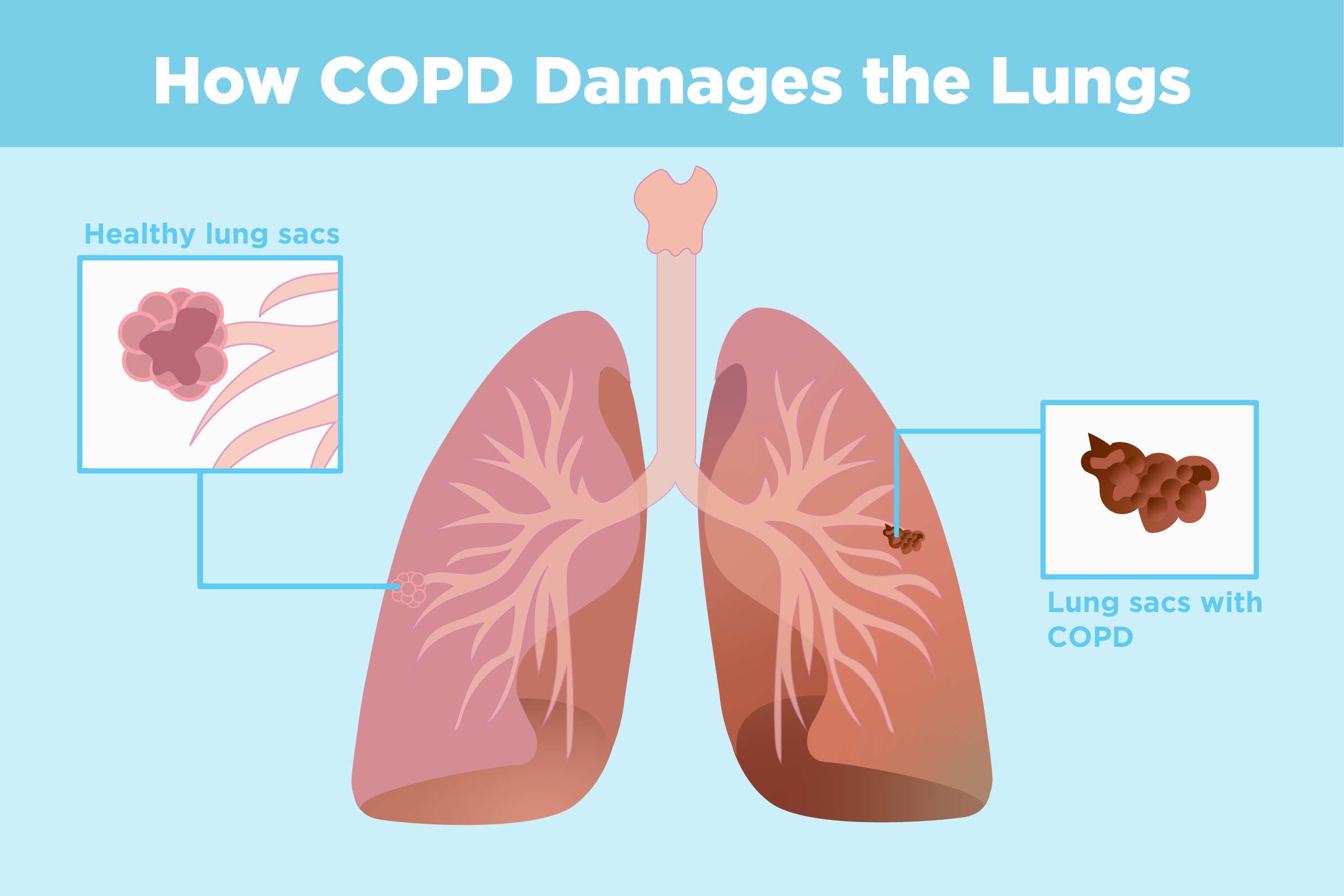
Chronic lung disease – inflamed airways, tissues that distribute oxygen are destroyed, breath capacity decreases; sounds fun right? COPD is the third leading cause of death according to American Lung Association website. This disease is preventable, it can also be treated but their is no cure. Treatment can consist of multiple medications, oxygen therapy, and pulmonary rehab. But, figuring out what causes this chronic disease is how we prevent it. Over time, lungs that are exposed to constant irritants are damaged. Smoking puts 7,000 harmful chemicals into your lungs with one inhale. Smokers are considered largely immune-compromised especially for infectious diseases that involve the lungs. COVID-19 is killing many men and women across the world who have damaged lung capacity and immunity due to COPD and how can that be prevented: stop smoking.

Diagram of what the inside air-sacs of people with COPD look like.

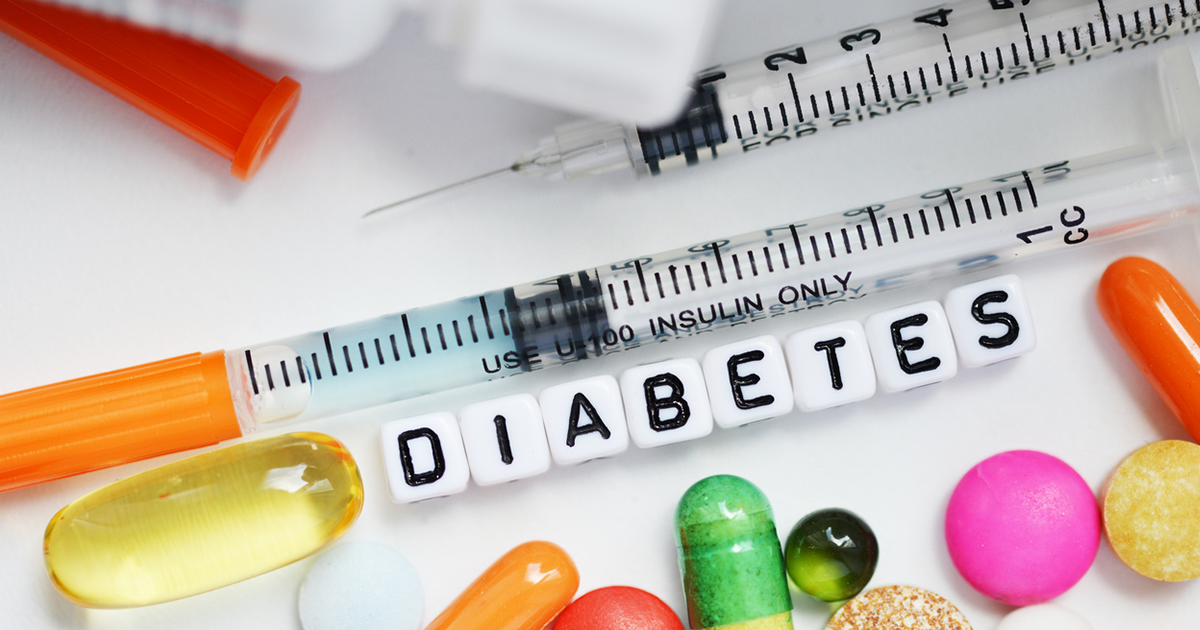
Additionally, diabetes is another huge chronic disease that is rising in Americans. There are two types of diabetes. Type 1 which is classified by the lack of production of insulin and Type 2 which prevents it from being used in the body. According to the 2020 National Diabetes Statistic Report, 34.2 million people of all ages or 10.5% of the US population have diabetes and the percentage of adults with diabetes increases with age, reaching 26.8% among those aged 65 years or older. Not only is this disease hugely prevalent, but it is very costly. The total direct and indirect estimated costs of diagnosed diabetes in the United States in 2017 was $327 billion. How do we prevent this? Treat obesity and diet issues in America. With healthier lifestyles including physical activity and better diets, this issue can be slowed and decreased drastically.

Image of diabetes

So take care of your body. Make smart decisions so that we are able to develop strong immune systems in order to defend against viruses that feed on those with chronic diseases.

Antibodies and COVID-19

The immune system is powerful. Creating a defense team of antibodies to actively fight of any and all invaders is one of its main strengths and abilities. However, not all antibodies are the same. They are actually very different and unique and your body has millions and millions of specific antibodies. Based on the different heavy chain in the Fc region of the antibody can determine at what point a person has been infected or is currently. These are called the IgG and IgM antibodies. IgM is present in greater quantities during the primary response before memory and class switching take place; whereas, IgG is present during the secondary response after increased affinity and linking of the CD40L to CD40 receptor on the B-cell.

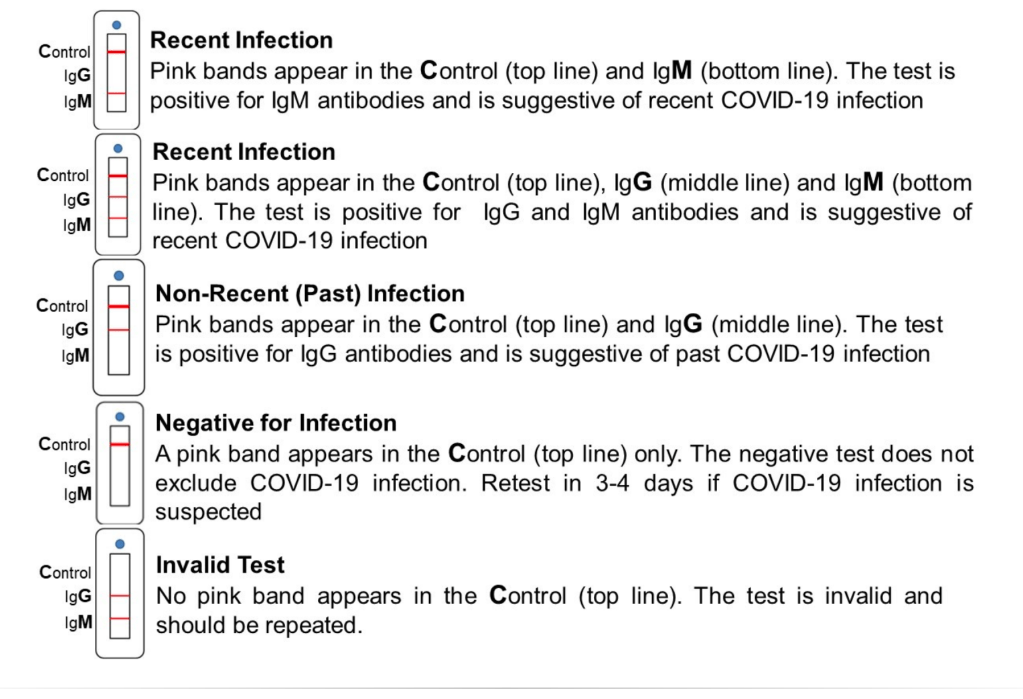
A company in China called Dynamiker Biotechnologies has created a test in order to reveal which antibody a person has and to determine if they have asymptomatically carried the virus and have adapted an immune response that could last for years. According to their website, the test is 92% accurate and only takes 10 minutes to get the results. With the prick of a finger and collection of blood, you can determine if one is IgM +/- and IgG +/-. The results are as follows:

IgM + / IgG – : is assumed to be an acute infection but needs retesting in a week; this can also be a false positive which would also need retesting

IgM + / IgG + : can be considered as an acute infection

IgM – / IgG + : is a sign of a previous infection and needs to continually to monitor, if the IgG level increases than the infection is either acute or very recent.

IgM – / IgG – : there has been no infection

Other companies have come up with similar tests that will likely be administered in places with people returning to work once the communities are sent out of shelter in place orders. With the presence of IgG, it is able to be determined that people have been infected recently with COVID-19 but have recovered.

A diagram from another company’s website who has produced an antibody test called Advaite

According to author Jonathan Mintz in his article, about the new antibody tests. This could be a huge opportunity for healthcare workers who have been sent home with symptoms to return to work as they are now immune to the virus. Additionally, people with antibodies could begin to donate their blood to those without them who are fighting to virus in order to aide their immune systems in detecting and killing the pathogen.

This graph demonstrates the concentration of IgM and IgG antibodies in the body during the COVID-19 infection.

Corona, but this time treatment!

With hospitals being overwhelmed, increasing stats of people infected and people dying, not yet leveling out the curve; the time to find a treatment is now. Everyone is scared and sheltering in place. The nation’s economy is falling apart, and people are loosing their livelihoods because of a microscopic bug not even visible to the naked eye. Well, crazy how it always seems to be the little things that make us all fall apart. But there is still hope.

learn how to treat corona image

According to the article in science magazine, WHO has launched some studies to reveal possible treatment options for corona virus. One being, chloroquine and hydroxychloroquine. Yep, two really big words that mean nothing without explanation. The drugs work by decreasing the acidity in endosomes, compartments inside cells that they use to ingest outside material, and that some viruses can utilize to enter a cell. WHO is calling for a SOLIDARITY study where different patients are treated with four different possible treatment options to which they are randomly assigned. Since the numbers are so vast across the nation, they should not have trouble finding any subjects. It is looking like there are promising options.

What about a vaccine to prevent others from getting this deadly virus? Yep, that is being worked on too. According to an article in The Gaurdian, 35 companies are working on a vaccine, of which 4 have already started testing in animals. The company Moderna should soon be starting human trials. Vaccines all work in the same way they present part or all of the pathogen to the human immune system through an injection with a low dose that allows the body to produce antibodies. The company Moderna is bypassing the pathogen proteins and building the vaccine from the DNA itself using mRNA to create the injection. But even with the creation of a vaccine the distribution could be extremely difficult and could possible hinder immunizations effectiveness greatly. So, treatment is the way to go.

Battling Cancer

Dendritic cell therapy could be the tumor destroyer? These magical cells play a vital role inside the human body. These cells are crucial to the immune system as they act as Antigen Presenting Cells after recognizing the signal from an invading pathogen and then activate T-cells in order to fight to kill and remove the invader from the body. These little human body infection patrols protect us from many bacteria and viruses as well as help us acquire immune memory against pathogens for the future. But, that is not all they do.

dendritic cell image

If used correctly, dendritic cells can play a role in cancer immunotherapy. An article by Caleb Perez and Michelle Palma, discusses the possibilities of using dendritic cell vaccine to fight tumors. Since dendritic cells have the ability to recognize tumor antigens, they are able to activate T-cells that can help destory tumors that have built up in the body. By injecting dendritic cells into the body that have been extracted from patients and ex vivo (out of body) manipulated, tumors should be able to be fought off. However, the results haven’t been as promising as the scientific data shows.

Currently, researchers are working to establish further investigation into specific types of dendritic cells in order to further the power of the DCs and their efficacy in destroying tumors. According to the Journal of Immunology Research by Hindawi, more effective studies have been produced to show that DCs are highly affective in treating cancers such as melanoma, prostate, and even lung cancer.

In these studies, 60% of treated patients showed immunological responses which correlated positively with improved survival.

Journal of Immunology Research by Hindawi
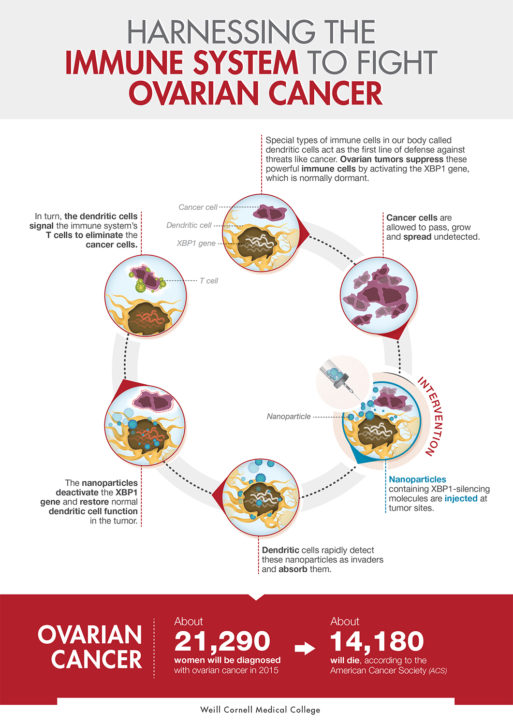
how immunotherapy battles against ovarian cancer image

Specifically, ovarian cancer is being treated by using immunotherapy and dendritic cell vaccines. Ovarian epithelial carcinoma has shown to be a very immunogenic tumor which therefore gives room for dendritic therapy to work. The researchers found that the specific type of extraction deemed “heat shock-conditioned cell lysate-loaded DCs” is very effective in ovarian cancer patients, and can be the future of treatment for other cancers as well. The antibody used in the immunotherapy is called: Bevacizumab (Avastin®). It is a monoclonal antibody that targets the VEGF/VEGFR pathway and inhibits tumor blood vessel growth; approved for subsets of patients with advanced ovarian cancer.

But the cost “We’re talking about treatments that cost over $100,000 per year,” said Dr. David Chan, program director for oncology at Torrance Memorial Medical Center in California in a healthline report. “Combine drugs and it’s over $200,000 per year.” This is honestly a huge barrier to treating ovarian cancer as well as any other cancer with immunotherapy–people cannot afford it.

Tuberculosis

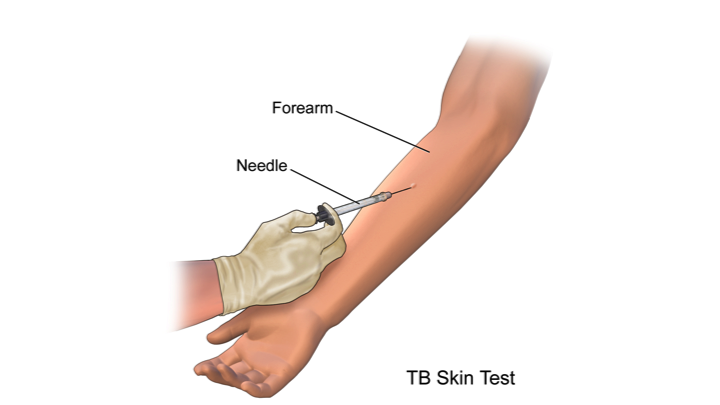
Skin test. That is all I really knew about TB before this class, was that I had to get 2 skin tests before I could work in any healthcare setting. Oh, and that you could get a lung x-ray or a blood sample instead. But what really is TB and how present is it in our world today?

TB skin test diagram

Tuberculosis is a seriously infectious bacteria that effects the lungs. It is spread through droplets in the air, making it very contagious. It can remain latent in the body, until another disease makes it become active. The symptoms are a chronic cough, fatigue, and fever. TB weakens your immune system so that the likelihood of catching another disease is high and it can cause devastating effects on the body.

With this week commemorating World Tuberculosis Day, doctors and organizations have been trying to make the public more aware of treatment options for TB patients in the midst of the COVID-19 epidemic which is highly affecting TB patients. According to an article by UN news, Tuberculosis remains the worlds most deadly infectious disease. Doctors from many organizations are trying to stop the spread of TB, by giving out cost-efficient preventative treatment that could save millions. This treatment is given to those who are already infected with TB, but it remains latent.

According to WHO fact sheet, the goal is to end the Tuberculosis epidemic by 2030. The rate of fatal TB cases is decreasing by 1-2% each year, but in order to meet their goal the rate needs to increase. This can be done by ensuring complete treatment is given to all patients diagnosed with TB. Although the course of antibiotics is long and demanding, because it lasts for up to 9 months and requires thorough attention, it is possible with help people can be cured from this highly infectious disease.

World TB awareness day advertisement

What am I doing?

COVID-19. It is the ever present world everyone is talking about. You go to the grocery store you hear it, you turn on the TV you hear it again, you log on to zoom it occurs again, you call a friend again, turn on social media — you guessed it, again. Everywhere. So many thoughts, emotions, feelings, about this one word.

Well it is more than a word, it is a nasty virus that is infecting the world today and destroying people’s lungs, livelihoods, and schedules. But how do you respond? What do we do when we are trapped inside our houses and are forced to give up our highly demanding schedules? I have actually found it quite frustrating that so many people I know are wanting to continue with the demands of daily life during this interruption. The demands to do everything and be everywhere that all college kids face have not gone away. People want to facetime every club meeting, go to all bible studies, even have virtual intramural sports. This time of nothing is so valuable to our generation yet we are wasting it by filling it with numerous activities and loads of school work.

We needed to reset, we needed to let go and drop all that was filling our daily lives because ultimately it was too much. It is too much that we place on ourselves that it shoves us into swirls of pressure and fear of not getting enough done or having enough things in our lives. Yet when it is all stripped away, we find things to immediately fill our endless time. I want to step back and do nothing and enjoy this time of rest and resetting our minds and bodies to a more sustainable speed of life. So I have.

I have been playing tennis (no worries staying way more than 6 feet apart)

I have been reading for fun, which if you know me I literally never do.

I have been sitting at the dinner table with my family for way longer than normal.

I have also been doing . . . nothing.

Meme about corona virus, but actually realistic to what I want to happen; a new generation that moves at a slower speed of life and a slower pace of work.

With all this going on, I have been thinking a lot about work. I am a NA at UNC Hospitals. Although the thought of going to work during all this really scares me, I am glad I get to be a part of this and doing my part to contribute to this pandemic. I know that one day I will tell my kids that during all of this I was still working 12-hour shifts on the front lines of this bug that is highly contagious and killing so many people. So many mixed emotions, but this is a little bit about how I feel during this time.

Corona? The beer?

Upon googling “corona” the first thing that came up a month ago was an ice cold beer image and an advertisement for Corona Extra beer. Not anymore. Now it is everywhere. COVOID-19 has swept the world by storm. This epidemic starting in the small town of Wuhan, China has killed many people, infected large nursing homes, cancelled study abroad and spring break plans for students everywhere. Although the issue may seem trivial to some or overly talked about whereas others are doing everything they can to worry more about the spread of this virus, we all are concerned and want to know if this could actually cause a world wide pandemic.

Memes everywhere have exploded across the United States

Let’s start with what we do know, what happened in China?

According to the CDC summary on the coronavirus, the disease appears to have originiated in a seafood market where animal trading occures illegally. Coronaviruses are shockingly not new and are on every Chlorox wipe bottle in the nation, and are known to jump from animals to humans; so it is assumed some stallholders contracted the virus from contact with animals. Then it began rapidly spreading from person to person beginning with medical professionals, which has caused the large epidemic to strike China. Communities of Hubei are of China were put on quarantine and many companies began to temporarily close within the area, but the virus was not contained and began to spread to neighboring countries and pop up in other areas of the world, including the United States.

What do we do? Well, we don’t really know. Until the virus runs its course there are not many measures we can actually take to prevent the rapid spread of the pathogenic virus that is running all over the world.

HOWEVER: Protect yourself? Yes! The World Health Organization’s article lists ways to protect yourself from contracting the virus. It is important to practice these measures in order to prevent yourself from developing the disease, and if you do contract it to prevent others with weaker immune systems from receiving it from you.

  • Wash hands frequently
  • Maintain social distance
  • Avoid touching, eyes, nose, and face
  • Cover your mouth when you cough or sneeze
  • Seek medical help immediately if you have any newly developed symptoms
Corona graphic

Let’s talk about Sex

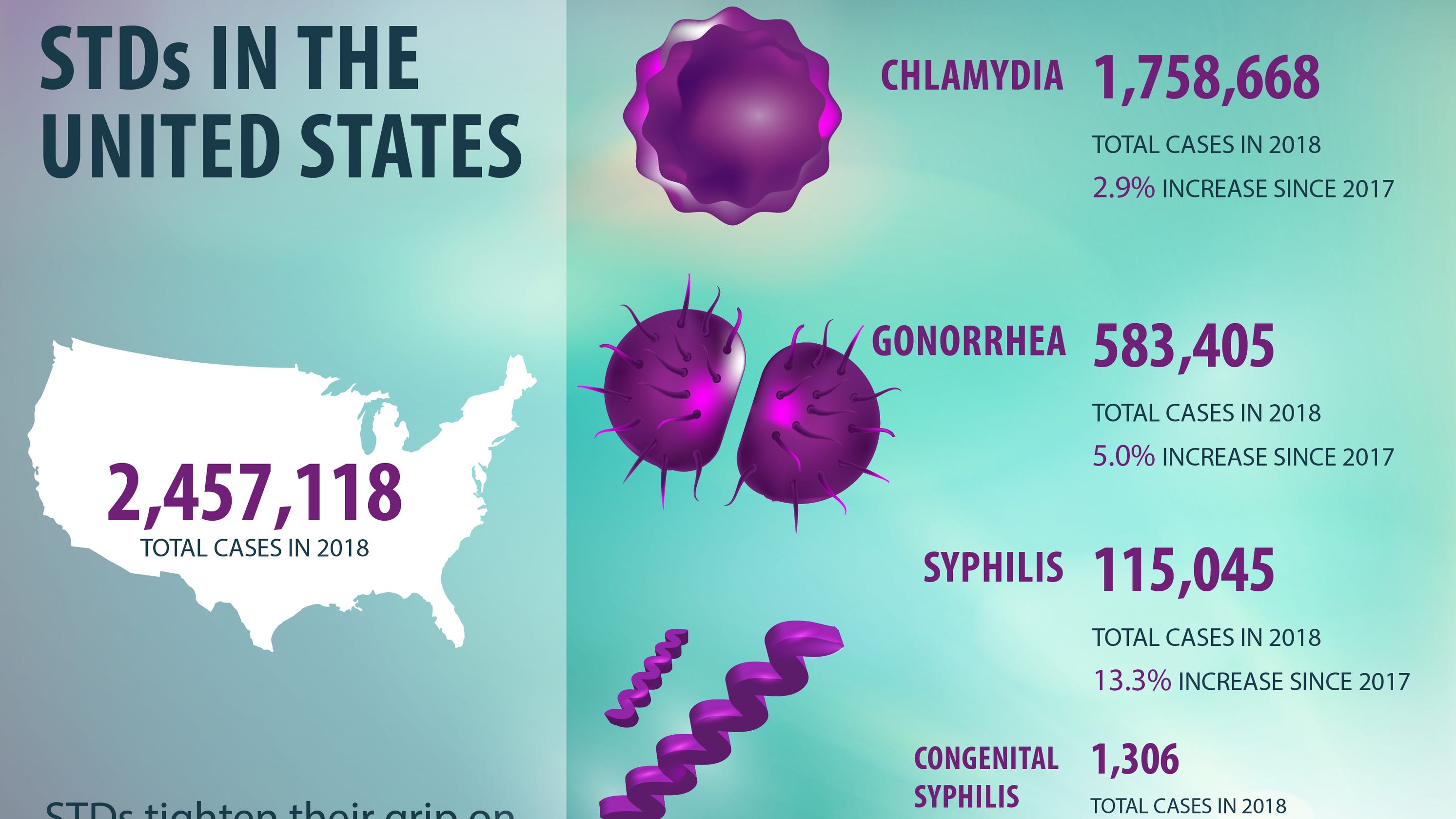
Oh the monotony that is Sexually Transmitted Diseases (STDs). Discussed in every 8th grade classroom, to scare and terrorize someone on the dangers of intimacy. Okay, so no one wants an STD, but what are they actually and how do people avoid them? Well, most recently syphilis, gonorrhea and chlamydia have been striking the nation. According to the New York Times article, the CDC reported the highest rates of these three STDs in the last year, in addition to a drastically increased rate of congenital syphilis in newborns. The amount of newborn deaths skyrocketed from the past years due to congenital syphilis.

info-graphic about the rise in STDs

The CDC attributes the rise due to the decline in condom use among young people and the rise and cuts to state and local sexual health programs, which lead to clinic closures and less opportunities for counseling and testing for STDs. The rate is drastically increasing and causing a great dilemma for young moms and doctors across the nation.

There were more than 1,300 cases of syphilis cases among newborns in 2018, a 40 percent increase from the previous year, the center said. The 2018 figure represented a 185 percent increase since 2014.”

CDC, in New York Times article

Because these diseases can be easily treated with antibiotics it is important that they are discovered early and before pregnancy. So who is to blame? Well, the lack of funding to clinics and health care for impoverished people did attribute to this, but it is crucial for young women to seek out testing before getting pregnant in order to determine if they have contracted an STD that can be fatal to their baby. If these diseases are left untreated they can cause serious health problems such as infertility and increased risk of developing HIV. Congenital syphilis can also lead to a miscarriage, stillbirth, or lifelong neurological and physical problems for the child if it survives birth.

condom photo

According to the CDC prevention strategies website, there are so many ways to prevent against these terrible STDs and slow the rise in congenital syphilis. First, the most reliable is to not have sex–abstinence. Second, receive the HPV vaccine to protect against some STDs and cervical cancer as discussed in a previous article. Third, reduce the number of sex partners you have in order to decrease the risk of developing an STD from an unknown cause. It is even possible to have agreed upon monogamy with a single person who has been tested for STDs. Finally, use condoms! An easy step to a highly increased protection from fatal and harmful diseases. It is possible to steer clear from STDs you just have to be intentional and prioritize health for you, your partner, and your future child.