Blog Feed

HPV Vaccine

To me, HPV Vaccine, was just another shot I got. However, I remember this one a little more than the other vaccines I received as a kid. My mom and dad talked about this one for a little longer. Because I am not sexually active, and there are some negative side effects to this vaccine, my parents spoke with doctors and got other opinions on this vaccine before deciding to give it to me. What does it claim to do: prevent cancer. Well then why would everyone not get it? Let’s look into this vaccine a little more and see why there is great debate over the HPV vaccine.

HPV vaccination image

According to a new article released titled “Cervical cancer could be prevented with a single injection, suggests a new study,” the risk of developing cervical cancer drops significantly with one little shot. HPV lives in the skin around the genitals and can be passed to others through sex and other intimate contact, despite condom use. The disease is responsible for more than 99% of cervical cancers, as well as causing vaginal, vulval, anal and penile cancers, and genital warts. Cervical cancer ranks as the second most common cancer and the fifth leading cause of death of women worldwide
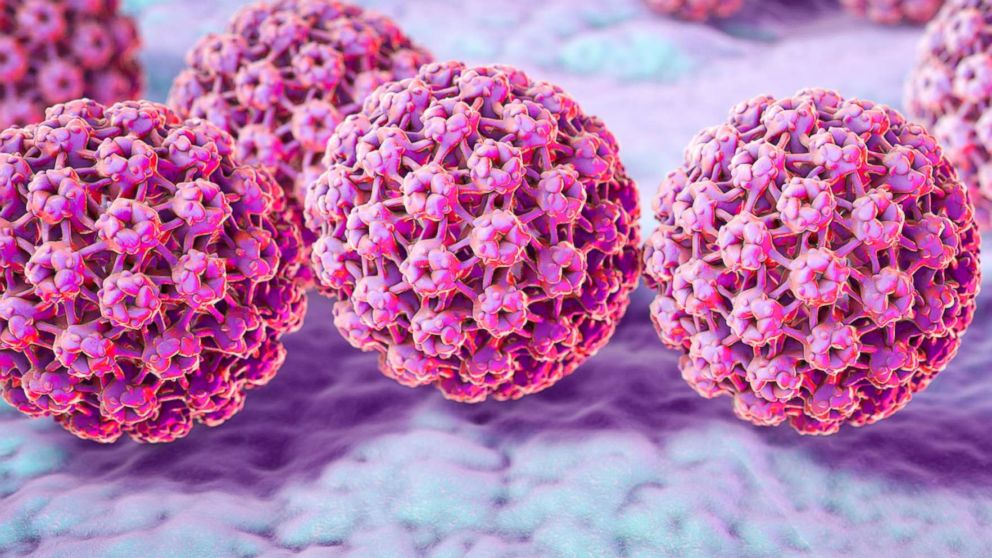
image of HPV virus

In the study conducted, there were 133,082 women and girls given the HPV vaccine. Within five years, 2.65% of unvaccinated teenagers developed pre-invasive cervical disease, compared with 1.62, 1.99 and 1.86% in the one, two and three-dose groups respectively. The risk was 36, 28 and 34 percent lower, respectively, for the vaccinated teenagers. This study proves that the vaccine does lower the chance of cervical cancers and diseases of HPV. However, why is there debate?

Well, of course it became political.

According to the AMA Journal of Ethics article, on September 12th, 2011, controversy over the HPV vaccine was ignited by the remarks of presidential candidate, Michele Bachmann during a debate. After denouncing an opponent’s role in mandating HPV vaccination in Texas, Bachmann made claims that the HPV vaccine was hazardous. During an interview with Fox News she explained:

There’s a woman who came up crying to me tonight after the debate. She said her daughter was given that vaccine. She told me her daughter suffered mental retardation as a result of that vaccine. There are very dangerous consequences [67].

quote from Michele Bachmann on HPV vaccine

However, the remarks were withdrawn and the HPV vaccine was left in controversy. The political controversy was also added to by the people who were afraid of exposing their 11 and 12 year old daughters to a sexual vaccine, because of course they were not sexually active. Great studies were attributed to ensuring the safety of the vaccine. Overall, it prevents cancer and has been proven to be safe. So vaccinate! But more importantly talk to your doctor about the potential risks and dangers of this vaccine.
Antibiotic Resistance

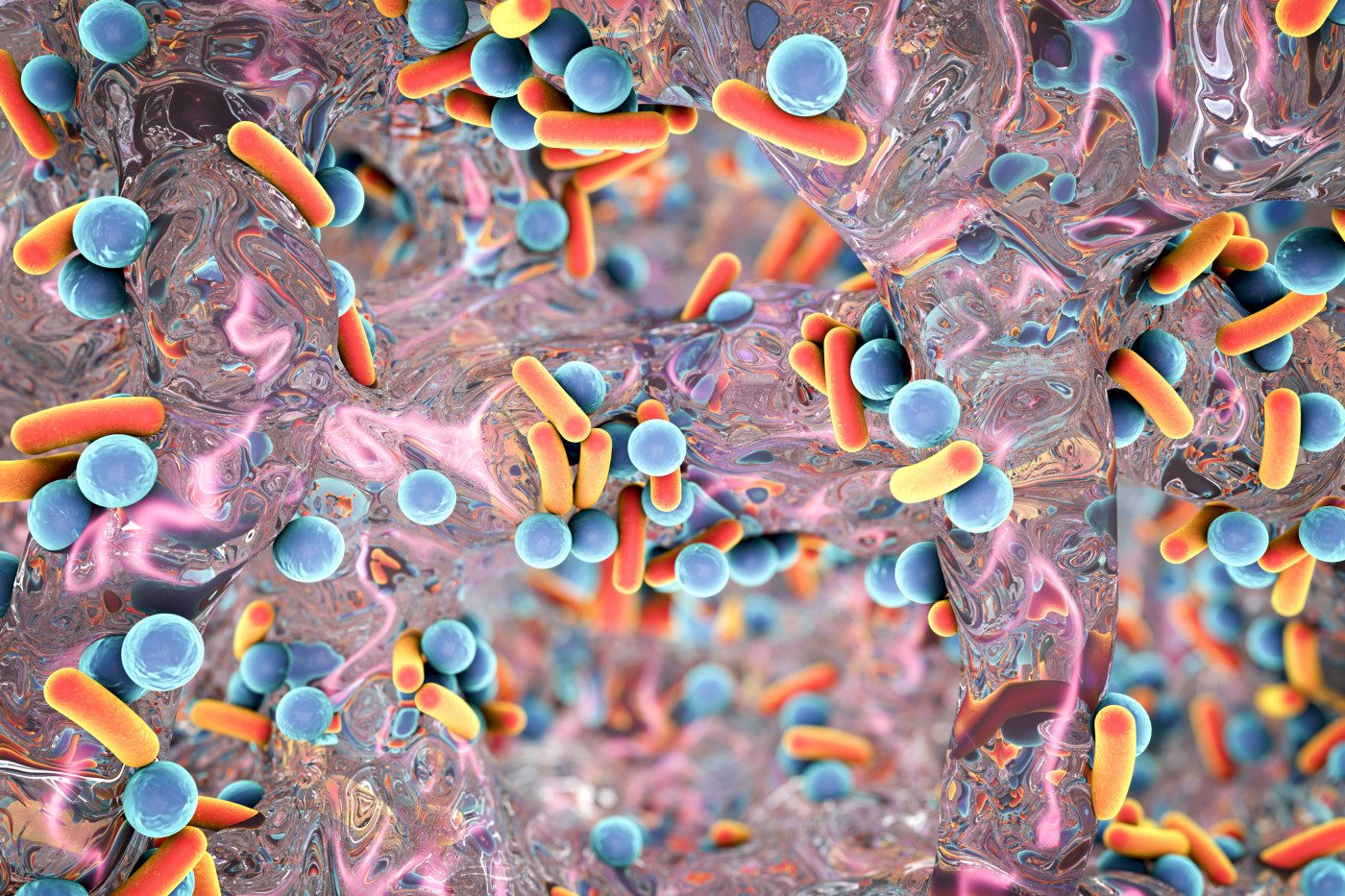
SUPERBUG? A giant animal that crawls around on the earth? No. What is a superbug? According to an article written by MayoClinic written by James M. Steckelberg, M.D., the term “superbug” is used to describe strains of bacteria that have developed resistance to a majority of the antibiotics used today. Antibiotic resistance is a natural occurring process; it can only be slowed, not stopped. The bacteria adapt to the drugs created to kill them as they mutate in order to survive. Due to this bacterial ability, many drugs become less effective and sometimes completely ineffective. There are many ways that can accelerate the speed at which antibiotic-resistant bacteria spread including:

  • Using antibiotics incorrectly
  • Having poor infection prevention and control practices
  • Living or working in unsanitary conditions
  • Mishandling food
superbug cartoon

It is crucial to slow this process down so antibiotics are able to treat bacterial infections effectively. In order to do this, there are a few practical steps to which people can help tackle antibiotic resistance:

  • Using antibiotics as directed and only when needed
  • Completing the full treatment course, even if you feel better
  • Never sharing antibiotics with others
  • Never using leftover prescriptions

The situation is dire indeed: According to the newest data, more than 2.8 million people in the United States experience an infection from antibiotic resistant bacteria each year. Moreover, these “superbugs” cause 35,000 deaths per year in the country.

-Maria Cohut Ph.D. on MedicalNewsToday

According to this quote, antibiotic resistance is a growing problem in our country. If we are unable to use antibiotics, bacterial infections will not be able to be treated and will end up killing more and more people. According to the 2019 report from the CDC in 2019, many bacteria are becoming antibitoic resistant. The 4 urgent-threats to healthcare are:

  1. Carbapenem-resistant Acinetobacter
  2. Candida auris
  3. Clostridioides difficile
  4. Carbapenem-resistant Enterobacteriaceae
  5. Drug-resistant Neisseria gonorrhoeae

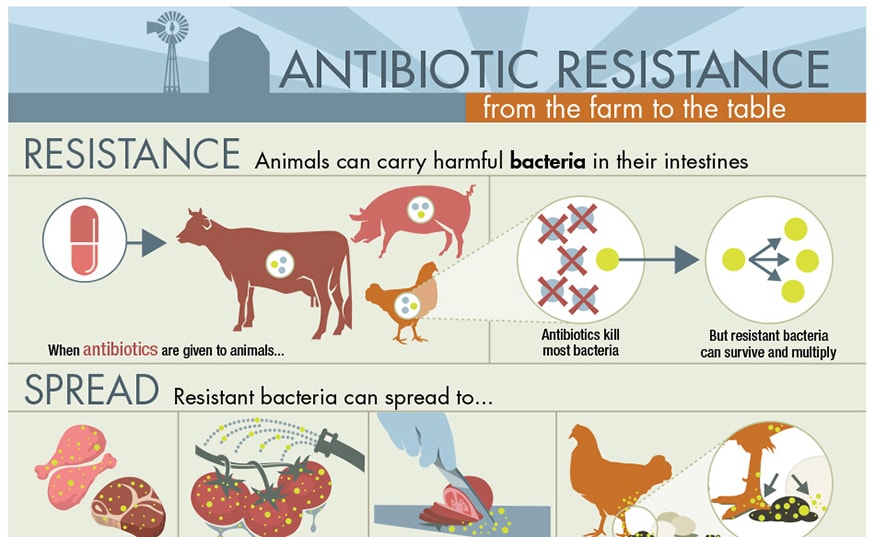
Each of these bacteria have already killed people and are on their way to killing more. Intervention is needed. However, it is not only humans who use antibiotics, animals are administered these drugs just as often within their food. Farmers use antibiotics to boost growth rates and prevent infection among livestock meant for sources of human meat. There is a rise in the antibiotic resistance in farm animals too, which is also having an effect on human health and resistance to specific antibiotics.

Antibiotic Resistance and Animals info-graphic

Shigella sonnei and Salmonella enterica are on the list of the CDC’s serious threats for 2019. Although they are not as urgent as C. diff, they still are killing people due to the development of resistance to antibiotics. It is important to be aware of this issue so that we do not take antibiotics lightly or just when we think we need them. Doctor’s also need money in order to provide research for new antibiotics and methods of killing bacteria in order to prevent the death’s of many more people.

Tetanus

Tetanus, an infection caused by a toxin in Clostridium tetani bacteria that contain endospores which are produced in the ground that can enter the bloodstream through a human wound puncture. This bacteria can cause toxic shock syndrome in humans due to its effects of the brain and the nervous system. The symptoms are mainly stiffened muscles, and more specifically locked jaw, difficulty swallowing, fever, spasms, and sweating. However, tetanus is preventable with vaccines. There are four types of vaccines available. According to the CDC website, these include:

  • Diphtheria and tetanus (DT)
  • Diphtheria, tetanus, and pertussis (DTaP)
  • Tetanus and diphtheria (Td)
  • Tetanus, diphtheria, and pertussis (Tdap)
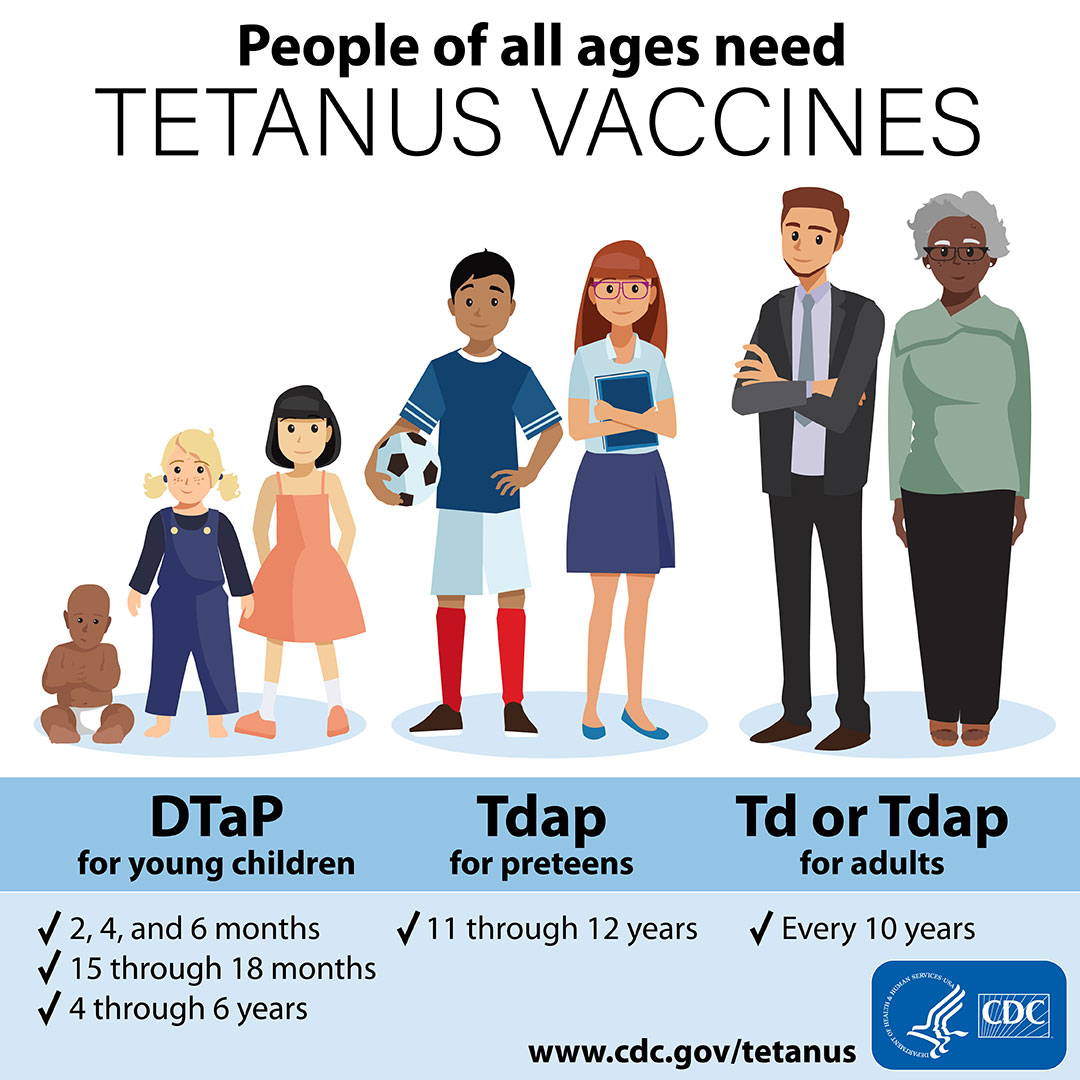
Info graphic on age and tetanus vaccine required

Babies and children under the age of 6 receive DTaP or DT, while older children and adults receive Tdap and Td. These vaccines provide protection from multiple diseases including: tetanus, diphtheria, whooping cough, or pertussis. These vaccines are safe and are recommended for 3 shots for babies, two boosters for children, another booster for preteens, and adults. Even pregnant women should get the Tdap vaccine during the early part of the 3rd trimester to protect baby from whooping cough.

DTaP schedule for children under 6

According to an article written by Melissa Conrad Stoppler, MD, the tetanus vaccine is a toxoid, inactivated toxin that is released into the body. The vaccines last approximately 10 years. However, a booster is recommended if someone develops a deep punctured wound after 5 years since the last dose. The level of antitoxins falls in the body over time, immunity to the bacteria decreases. This vaccine is proven to be almost 100% effective in preventing tetanus. The number of countries that face occurrences of this disease has significantly dropped due to the increase in vaccination.

Polio

For the last century, the polio virus has caused disastrous problems for the nation. Beginning in the summer of 1916, the polio epidemic struck towns during the summer months leaving few survivors of whom many were either paralyzed or disabled for life. This disease escalated in the 1940s and 1950s. According to the CDC article, before polio vaccines were available, outbreaks caused more than 35,000 people each year to become crippled and face paralysis. However, following the introduction of vaccines—specifically, trivalent inactivated poliovirus vaccine (IPV) in 1955 and trivalent oral poliovirus vaccine (OPV) in 1963—the number of polio cases fell rapidly to less than 100 in the 1960s and fewer than 10 in the 1970s.

photo of effects of Poliovirus in the 1940s

According to an article by Elana Pearl Ben-Joseph, MD, most people who are infected with the poliovirus are asymptomatic, meaning they show no signs or symptoms. Others have mild flu-like symptoms when infected similar to a cold including: sore throat, fever, vomiting, headache, or diarrhea. However, sometimes (in about 1% of those who contract it) the virus infects the brain or the spinal cord causing meningitis or muscle weakness and paralysis. Polio is contagious and it spreads through fecal-oral and respiratory transmission. Those who are asymptomatic are still carriers of the virus and can spread it to other people. It is preventable due to the two types of vaccines: IPV and OPV.

Inactivated Poliovirus Vaccine (IPV)

In the United States, children receive the inactivate poliovirus vaccine when they are 2 months, 4 months, 6–18 months, and 4–6 years old. IPV contains an inactive form of the virus, so it can’t cause polio or any mild form of it.

Oral Polio Vaccine (OPV)

In other parts of the world, kids may receive oral polio vaccine (OPV). This vaccine contains a weak form of the live virus which allows the body to build up antibodies to the poliovirus. This vaccine is a liquid and it is cheaper and easier to give to people because there is no injection required, it is just swallowed. However, the virus is present in the spit and poop of those who receive the vaccine and so it can be spread to other people, who may not be vaccinated and can create antibodies in them as well increasing immunity. However, with the live virus it can in very rare cases cause polio, and is therefore no longer given in the US.

IPV and OPV representation

According to the Polio Global Eradication Initiative website, in 2020 there have been 12 cases of WPV globally that have all occurred in Pakistan. Additionally, there have been 6 cVDPV, contracted from the vaccination, related incidences world-wide in the countries of Ethiopia, Nigeria, Pakistan, and the Philippines. The virus is still a problem in other countries but has not been contracted from within the United States since 1979.

Vaccination Destination

Vaccines are crucial for children and adults to prevent highly communicable diseases. Vaccines inject attenuated bacteria, viruses, or other pathogens into the body in order for antibodies to be built up against the disease. Therefore, when a greater strand attempts to invade the host, there is less likely hood for it to be able to take residence in your child. All parents want to protect their kids; even anti-vax parents. Yet, so many of them continue to believe that vaccines cause more harm than they do good and that is where this misconception begins.

Photo demonstrates the anti-vaxx parents who caused an outbreak of Measles in 2014-2015

A study conducted by researchers from the University of Maryland, the George Washington University, and Johns Hopkins University, looked into the various advertisements for anti-vaccine and pro-vaccine contributors. The researchers discovered that although the percentage of ads against vaccines was similar to those promoting vaccinations with 47% and 53% respectively, the anti-vaccine efforts were more organized with unified messages. Additionally, they were distributed by 2 groups funded by private individuals, the World Mercury Project and Stop Mandatory Vaccination. This is interesting because most people believe the anti-vax movement is driven by parents; however, large organizations are also promoting these insane claims.

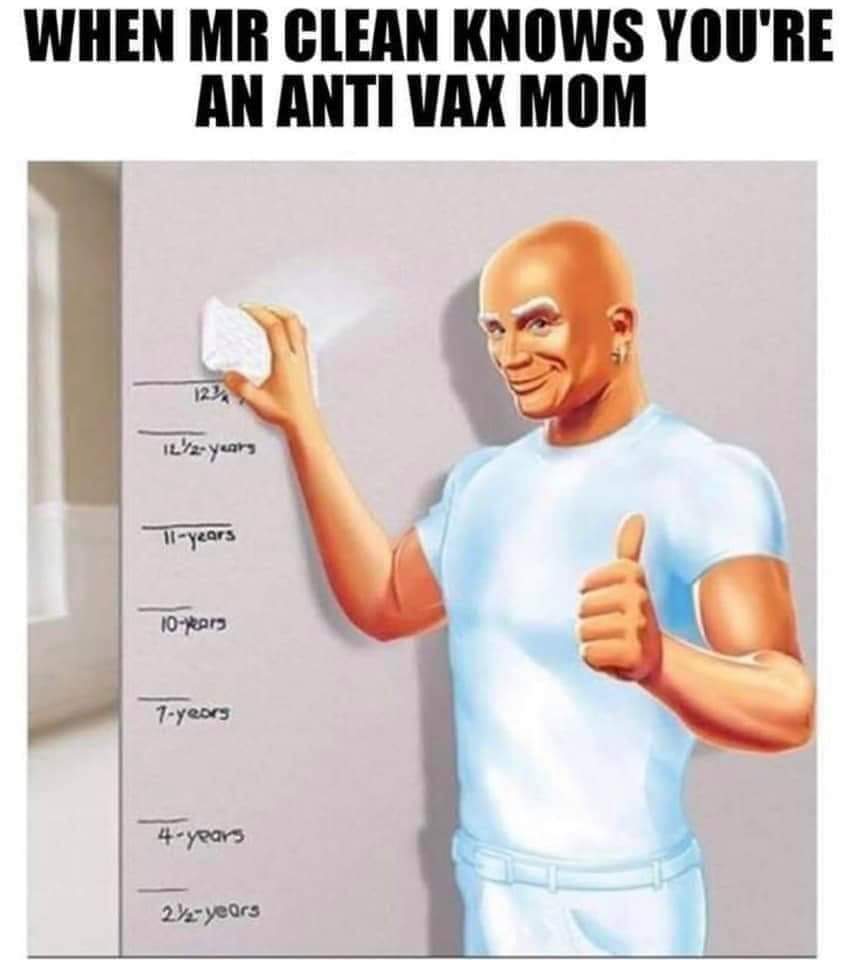
Anti-Vax meme

Parents have come together to support the cause to — kill their children, from preventable diseases by forming various groups and associations to spread their directive and motivation. Social media has been a vital tool in these parents success. However, according to the NCBI article, sites like Facebook, Youtube, Pinterest and Instagram have blocked searches and hashtags for terms like “vaccines” to prevent against health misinformation. Facebook decided to reject ads for hoaxes about vaccines and would not allow for anti-vax groups to form. All of these changes have significantly improved the spreading of incorrect information on social media platforms, but those who are truly committed are able to find ways around these new policies.

Facebook crack down on anti-vax propaganda image

MICROBIOME

The microbiome, swarming with bacteria, viruses, and fungi, surrounds the human body with genetic material. There is 200 times more genetic material in microbes than in human cells themselves. But what does it really do for humans? Crazy to think that bacteria and viruses that cause diseases are also able to help and protect our bodies. According to the Harvard School of Public Health, microbiota trigger the immune system’s processes, assist in breaking down toxic food compounds, and create specific vitamins and amino acids, including the vitamin B and K. For example, the crucial enzymes needed to synthesize vitamin B12 are only found in bacteria, and not in humans.

Human microbiome graphic

The microbiome on each individual is unique. It is first formed during birth when the microbiome in a mother’s birth canal is spread onto the newborn. Additionally, breastmilk also helps in developing an infant’s microbiome. The GI tract is a bubbling world for microbiota. So many bacteria thrive in the environment of the human gut. The composition of the human microbiome alters during life due to diet, lifestyle, treatment with antibiotics and various drugs, as well as other factors.

Photo of Boston Marathon

A study done by highly collaborative team of researchers led by Scheiman and Church at the Wyss Institute and HMS and Aleksandar Kostic at Joslin Diabetes Center in Boston was published in a Harvard Gazzette article. This study was able to connect the production of a bacteria, called Veillonella, that was produced in gut microbiomes after Olympic and Boston Marathon runners completed their race. This bacteria was found to increase the bodies ability to breakdown lactate which build up after prolonged exercise. The bacteria was inserted into mice and the effects were astounding. The bacteria increased the mices’ performances in the laboratory treadmill tests by 13 percent compared with control group.

This bacteria can be harvested as a probiotic and help to aid in the health of not only athletes, but the general population as well. Who knew bacteria is actually good for you, and can even benefit the human body?

Coronavirus

Everywhere. The word has surrounded me on my college campus, at my nurses station, and in my neighborhood. But what even is this virus? Is it a flu? Is it even that bad? Does it really need to be the source of all conversations? We are going to take a look into the microbiology behind this bug and the way it is affecting people both in the US and China.

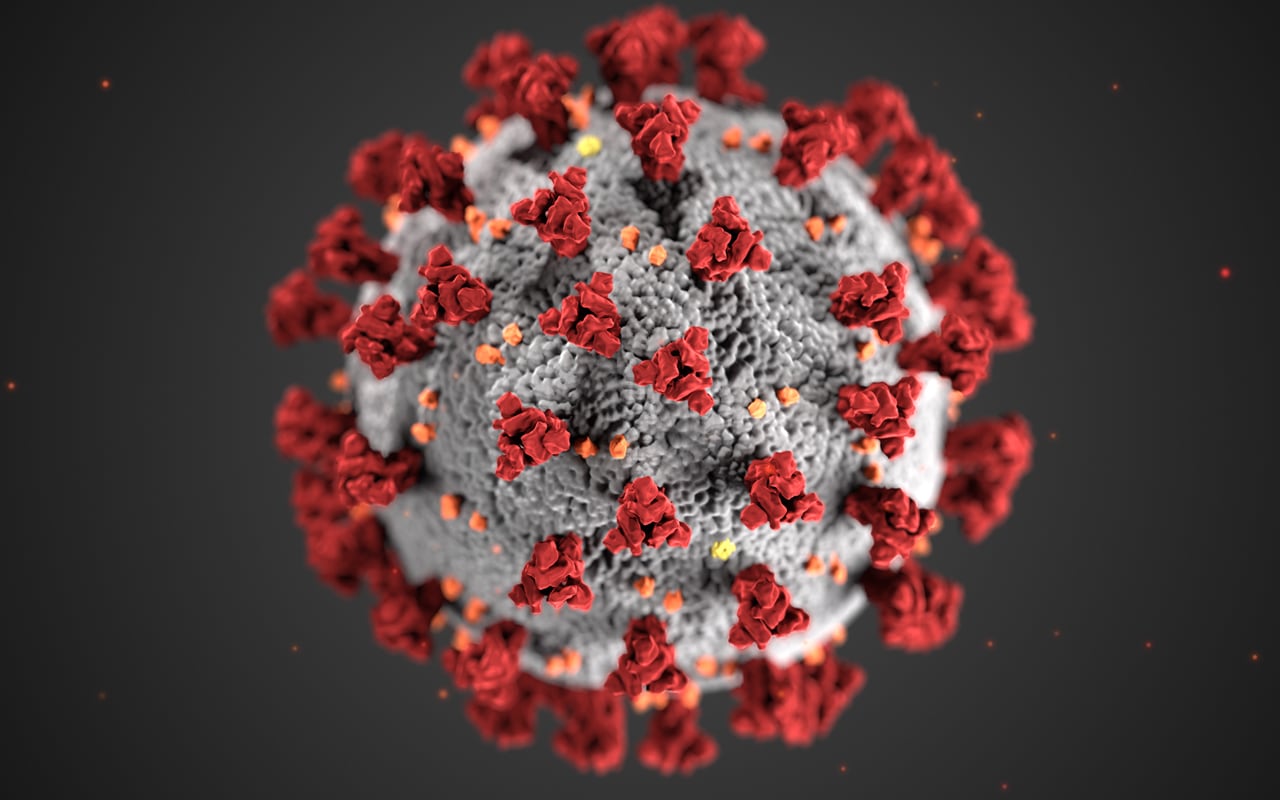
An updated graphic of the coronavirus

According to the Center or Disease Control webpage, Coronaviruses are prevalent in many different species of animals like camels and bats. However, sometimes these coronaviruses can evolve and infect humans and spread within populations. The method of transmission is through respiratory droplets, produced by sneezing and coughing, within 6 feet of the infected person. The contact of the droplets with peoples’ mouths and noses can be inhaled into the lungs. Symptoms include: fever, cough, and shortness of breath. The incubation period is anywhere from 2 to 14 days.

Although Americans are worried about contracting this disease, the best way to prevent it is to avoid exposure because there is no vaccine. This includes hand washing and avoiding contact with sick people.

“While the immediate risk of this new virus to the American public is believed to be low at this time, everyone can do their part to help us respond to this emerging public health threat”

Center of Disease Control, on risk of corona virus

The CDC is closely monitoring the outbreak of the respiratory illness caused by a new coronavirus that was first detected in Wuhan City, Hubei Province, China and is continuing to grow. Chinese health officials have reported tens of thousands of infections in China, with the virus reportedly spreading from person-to-person in parts of that country. The United States have taken various measures to protect the safety and health of our country that were published in the 2019 Novel Coronavirus Situation Summary produced by the CDC.

Some include:

  • suspending entry in the United States of foreign nationals who have visited China within the past 14 days.
  • Measures to detect this virus among those who are allowed entry into the United States (U.S. citizens, residents and family) who have been in China within 14 days also are being implemented.

In summary, the coronavirus is similar to the flu which although can be scary should not be a cause for mass fear. There are cases of death and serious illness in every virus even the common cold. The coronavirus is another form of something that still remains far distant from Americans. The low risk of exposure should not be a great concern for Americans today. If something were to change in the future, and large numbers of outbreaks occur in the states, then there would be larger concern.

But today we should all be focusing on problems more at immediate risk to our own health like obesity.

Cartoon that reveals the greater distress of obesity, tobacco, and alcohol compared to the lower percentage of Ebola outbreaks

Influenza

Stuffy nose, fever, chills, cough, muscle aches, and sore throat fill the air as you walk around the shopping malls in the pouring rain. The beloved winter has cursed the population with viral infections that cannot be avoided (or at least completely). Flu season is among us. It is time to take your vitamins, cover your mouth, wash your hands, and get vaccinated. We are going to take a further look into what flu season looks like for Americans this year.

The viral spikes on the influenza virus photo

What is new in this 2019-2020 season?

Flu strains are constantly mutating and altering their RNA genome due to the inability of RNA dependent RNA polymerase to edit and correct the mistakes and mutations after transcription. This makes the strain of each season difficult to predict; however, with great research scientists attempt to provide the most accurate protection from the virus. According to the information provided by the CDC article, the flu vaccine this year is quadrivalent, meaning it has protection against 4 strains of the virus. 2 of the 4 strands have been updated since the last year’s vaccine. The four strands include:

  • A/Brisbane/02/2018 (H1N1)pdm09-like virus (updated)
  • A/Kansas/14/2017 (H3N2)-like virus (updated)
  • B/Colorado/06/2017-like (Victoria lineage) virus
  • B/Phuket/3073/2013-like (Yamagata lineage) virus
This animation shows that the flu shot will not only protect you from the virus but could also save the lives of others also.

How effective is the flu vaccine this season?

The effectiveness of a flu vaccine is dependent on many factors. The match between the vaccine and the circulating strains in the environment is crucial in determining the effectiveness of a vaccine. A close match is ideal, but even a sub-optimal match provides a greatly reduced risk of developing the flu, hospitalization, or even death. This occurs because antibodies are built up against parts of the flu virus that can protect you from other similar strains. The effectiveness of this years vaccine, according to the The Medical Letter summary of this years flu season, is 47% overall, 61% in children 6 months- 17 years old, and 24% in adults of 50 years and older.

“Imagine the action of a vaccine not just in terms of how it affects a single body, but also in terms of how it affects the collective body of a community.”

Eula Biss, author of On Immunity

Herd immunity as described by Eula Bliss above, is crucial in protecting high-risk populations from receiving a virus that could potentially kill those with compromised immune systems including little children, elders, and those in low socioeconomic classes. without access to health care. When you decide to get the flu shot, you are also deciding to take care of your community and protect those around you.

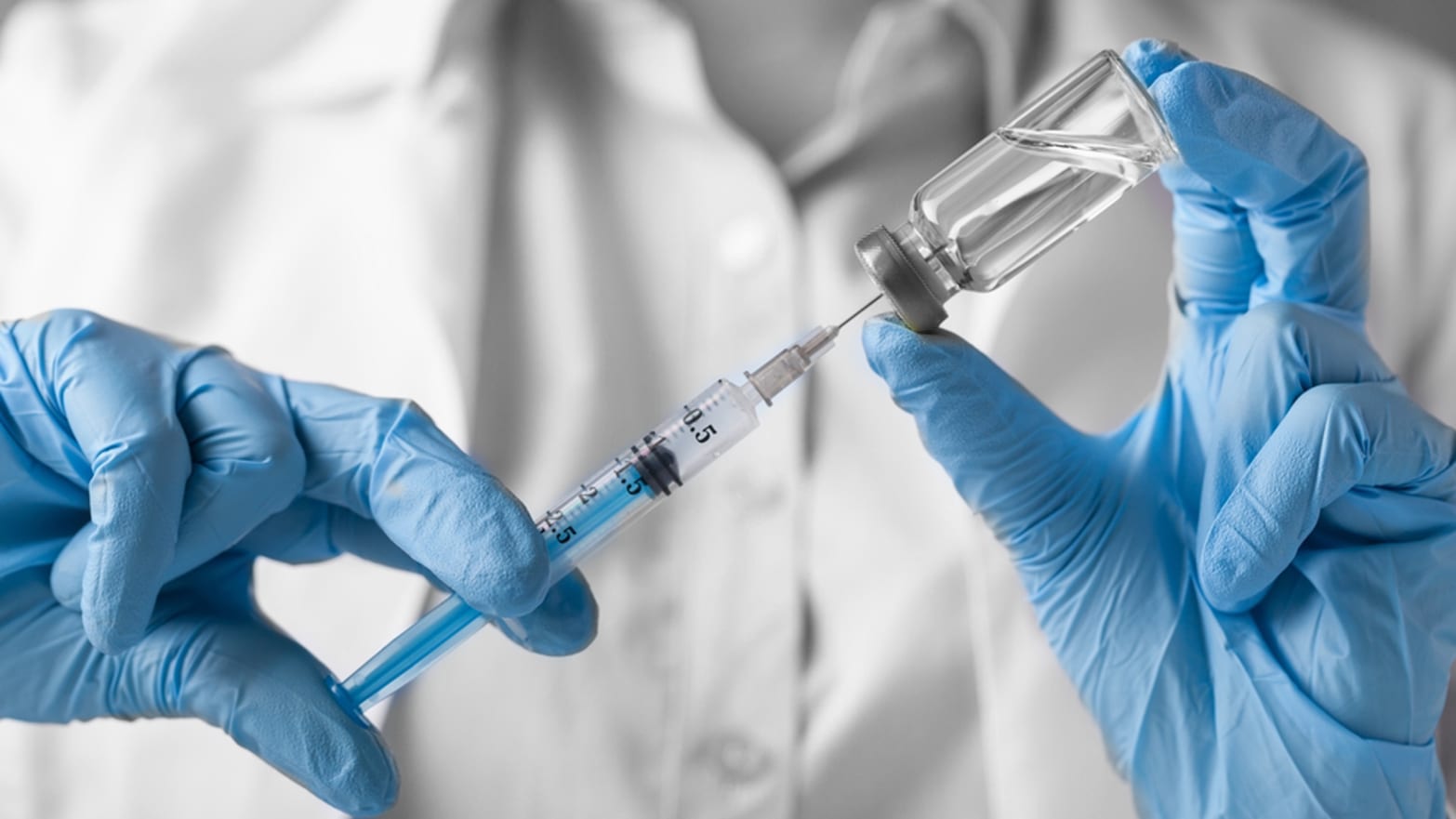
Image of the flu shot and what it looks like

Wakefield’s Retraction & MMR Vaccine

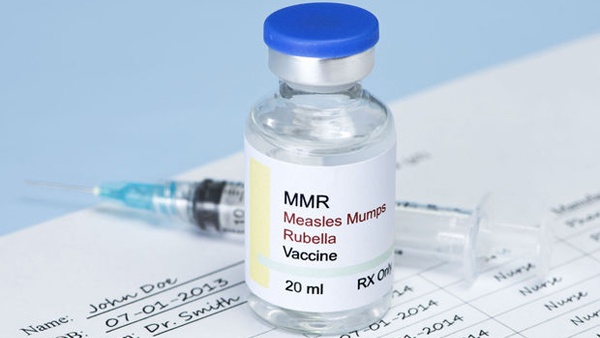
Vaccines. There is constant debate over these tiny little needles that save so many lives due to their ability to create antibodies resistant to dangerous bacteria. One man, Andrew Wakefield, tried to contest the benefits of vaccines by discovering “a linkage” between the MMR vaccine and the development of autism and learning deficiencies in children. According to Laura Eggertson’s article discussing the matter, the study included 12 children that were from the Royal Free Hospital and School of Medicine with both chronic enterocolitis and regressive developmental disorder. These patients went under very invasive testing and claims were made in a scientific paper that ultimate found a link between their vaccination with MMR and the development of their autism without great scientific evidence. Wakefield’s motives are put into question as information was leaked that he received funding from lawyers involved representing parents who were involved in lawsuits against vaccine manufacturers. Once this was discovered many of his co-authors pulled their support from the published paper.

Andrew Wakefield in the media, CNN.com

There was an uproar after the spread of Wakefield’s study to the public, especially present in those who’s children had autism. This new-found link provided an explanation for parents who were desperately searching for answers to questions about their children’s learning deficiencies that the doctors had been unable to answer. Many parents took action in order to stand up for their kids, as they chose to no longer trusting the vaccination process. Many new parents began to prohibit their children from receiving the MMR vaccine as they believed it would cause autism. The effects were greatly seen in 2008, when there was a large outbreak measles outbreak during which 90% of the kids infected were not vaccinated. Many scientists attribute to the decrease in children receiving the vaccine that occurred after the release of Wakefield’s article.

Vaccines information video for parents

The most difficult part of this fraud is the distrust it places in scientist and health care professionals. The heroes, who work day in and day out through grueling 12 hour shifts, are trying to improve the health of patients, to prevent the outbreaks of diseases, and to fight against pathogens. But, with frauds like Wakefield bringing into question what the intentions and outcomes of medicine really are, doctors have a more difficulty doing their job and even more so are unable to help people, who don’t want trust them.

Measles Today

“Over 20 million children worldwide missed out on measles vaccine annually in past 8 years, creating a pathway to current global outbreaks”

-UNICEF New York

According to an article published by UNICEF, an estimated 110,000 people, most of them children, died from measles in 2017, a 22 per cent increase from the year before. The numbers are rising even though a preventative cure has been discovered with the vaccine. That is frightening. There is a fix to a deadly disease, and parents have decided they would rather take a chance that their kids die from measles than receive a vaccine that has been falsely linked to autism.

UNICEF, alongside their partners Measles and the Rubella Initiative and Gavi, the Vaccine Alliance, is working to address the measles crisis by:

  • Negotiating vaccine prices: the cost of the measles vaccine is now at an all-time low
  • Helping countries identify undeserved areas and unreached children
  • Procuring vaccines and other immunization supplies
  • Supporting supplementary vaccination campaigns to address gaps in routine immunization coverage;
  • Working with relevant countries to introduce the second dose of the measles vaccine in the national immunization schedule. Cameroon, Liberia and Nigeria are on track to do so in 2019.
  • Introducing innovations like the use of solar power and mobile technologies to maintain vaccines at the right temperature.

Moral of the story: get vaccinated in order to prevent the deadly infection of measles and also to instill trust in medical professionals.

Encouraging others to vaccinate their children is also an important part of the process.

All About Me

My name is Lexie Lawson. I am a Junior at UNC Chapel Hill. I am from Charlotte, NC. I am studying Exercise and Sport Science and Spanish for the Health Professions. I am hoping to go to PA school one day! I live with 8 of my best friends in a 95 year old house right on the outskirts of campus. My friends and I love to play sports outside and go to the beach.

Charlotte, NC skyline by Rey Masheyki

CNA

I am a CNA at UNC Memorial Hospitals on 5th bedtower. I work on the trauma and orthopedic surgery unit. I love my job and all the patients I get to interact with daily. To find out more about what a CNA does, I have attached the job description.

UNC hospitals Julie Havlak – Carolina Journal News Service

Isn’t this dog so cute

Cute puppy with a red bowtie and a butterfly on the nose – Tiny Pets Tube